"It does a great job quick and easy and time saving."
- Nick Gabbe, Belmont Estate
"They have laid a considerable amount of 1 1/2" pipe to various systems. An excellent unit, handling roles of poly pipe manually is grounds for canning yourself. We tried other systems and you just scratch your head, this machine does the burying as well. The reel is really good. It’s a beautifully made machine and the pipe fits nicely, laying to a nice depth."
- Terrence Klug, Flinders Island
Laying poly pipe is no walk in the park. Picture this: arduous hours spent running the pipe out ensuring that you keep it free from twists and Kinks. One slip-up, and you are facing a mess of leaks. It is not a solo gig; you need a crew, at least two or three people juggling tasks. But even with teamwork, it is a struggle.
What if there was an easier way? - With no more:

Multiple Passes to get the Job Done
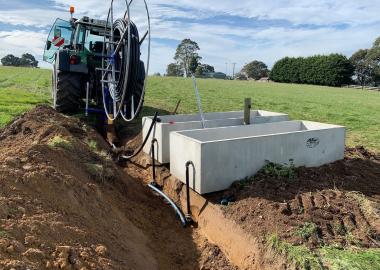
Single Pass Operation. Rip & Lay your Pipe in one pass. No digging back for joiners.

Back Pain and the Strain of Manual Labour
Everything is handled on the one machine. No more manually unrolling and carting heavy poly pipe rolls.

Worrying about kinks and pipe damage
The Delmade Ripper Pipe Layer handles all Common Poly Pipe. You can lay pipe up to 1m deep (depending on model chosen), lay all common pipe & fittings up to 150mm aperture, and you can use rolls as big as 1 tonne all without worrying about kinks and pipe damage.
With a Delmade Ripper Pipe Layer, you can do the job with LESS passes, LESS men, LESS hours, and LESS physical strain = LESS cost. Before you head out and do it the hard way, take the time to run the numbers and let DELMADE help you to lay your pipe the safest, most time and cost-effective way. Choose Delmade and SAVE.
Are you ready to lay your poly pipe the easy way? 👉 Learn More Enquire Now


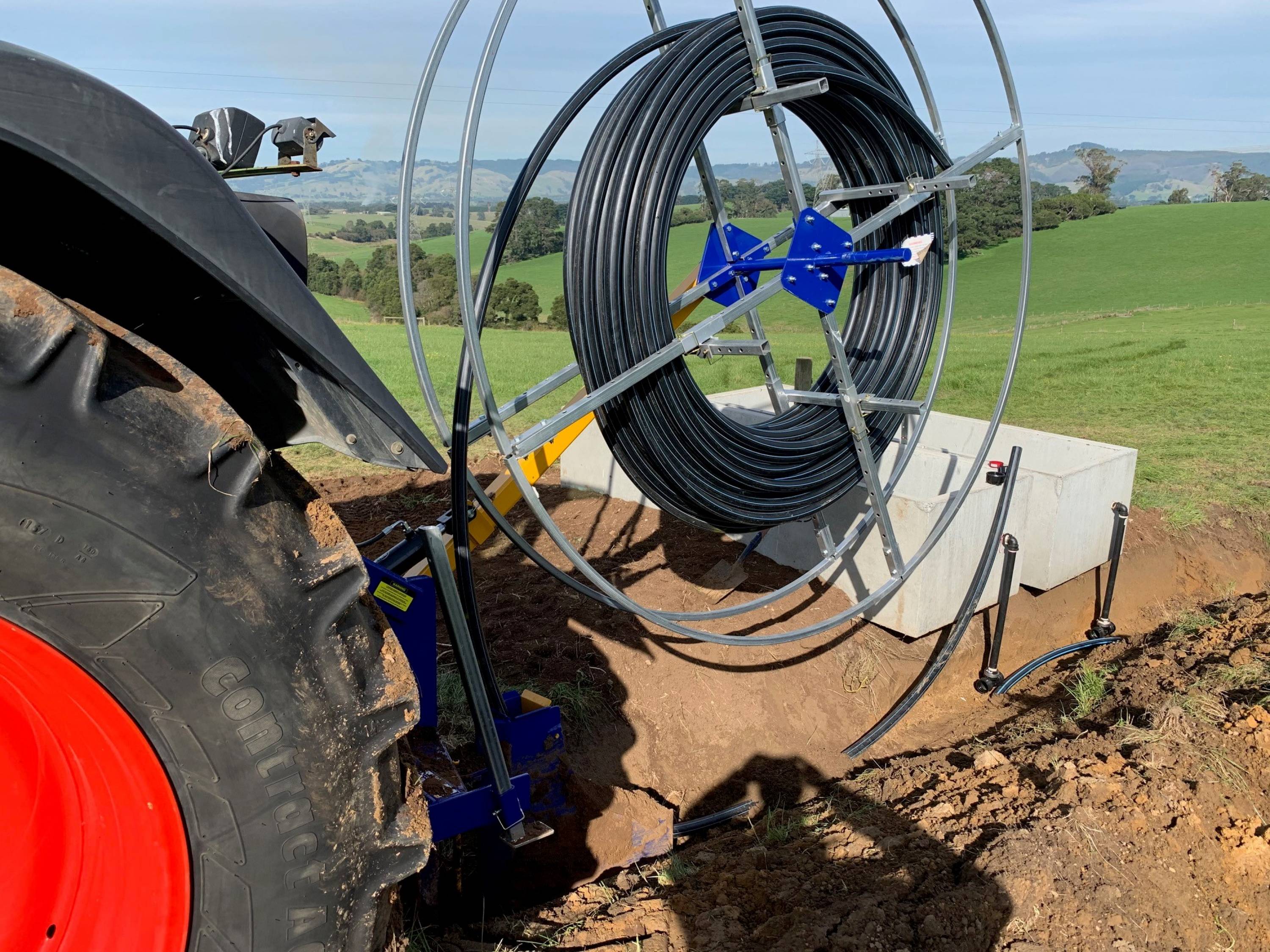
The Delmade Heavy Duty Ripper Pipe Layer Hose Reel unit is an extremely effective combination implement capable of laying up to 140mm pipe, along with most fittings and joiners on most common pipe sizes.
There is no need to unroll the pipe before laying it. It simply fits on the reel, saving majority of the time usually taken to lay pipe using a traditional ripper.
The Delmade Ripper Pipe Layer features a Hose Reel attachment with hydraulic height adjustment. This means large rolls of poly pipe are easily loaded when the reel is lowered. When fully raised to a vertical position, the pipe unrolls directly into the inlet of the pipe layer. Making a smooth, trouble-free operation. There are two sizes of reel available: the 2.8m for most common rolls of pipe and the 3.2m for large rolls of pipe weighing up to 1 tonne.
Use this calculator to help you determine which model Ripper Pipe Layer is best for your needs.
How to measure your pipe
You need to measure the widest point of what you're laying. So, if you are using fittings/joiners this will be the fitting/joiner and if you're not using fittings/joiners this will be the poly pipe.
Simply lay your tape over the widest point. This is the measurement that you need to enter into the calculator.
For example in the image below the tape measurement is at 50mmm. So, you would in turn put 50 into the calculator.

How does the calculator work
What the calculator does is checks the dimension entered against the aperture of the box. Allowing for a 5mm clearance on either side of the pipe or fitting. (The aperture is a measure of how wide the box is. 👇 Pictured below.)


Frequently Asked Questions
Ideally, you do a pass and make sure you've got no obstacles, roots or anything. And then do a second pass to lay the pipe.
Correct. It's held on with little D-clip pins. You just unpin it, pull it off, slip your roll on and then pin the side back on.
The only consumable would be the replaceable point on the bottom. It is reversible, so you can get double the life out of one point.
The only other points of maintenance would be each end of the pivoting yellow arm, there's a grease nipple. That's the only three things on there that could wear or need greasing.
That's pretty simple. There's one main pivot bolt on the yellow arm. Undo that and undo a standard pin on the ram. Then one pin on the layer box which you unclip and lift off and you've basically got a straight line ripper.
It's got a frame that mounts to the tractor on your three-point linkage and then it's got arms coming back to the ripper unit. It allows a longer tine on there. If we put a longer tine on the standard unit, most tractors wouldn't be able to lift it off the ground.
We would recommend getting the following infomation from your pipe supplier: